Exhibition | Nyeleni: Six Women’s Photographic Perspectives
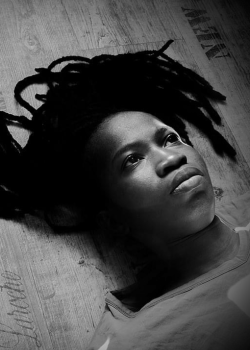
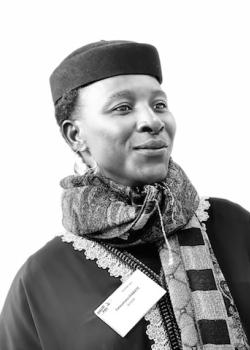
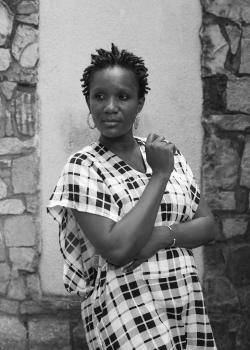
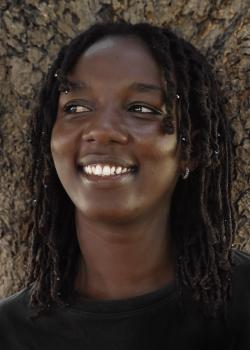
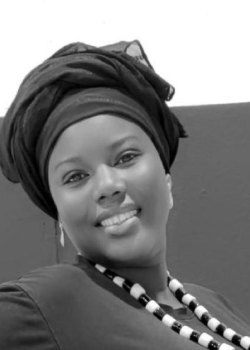
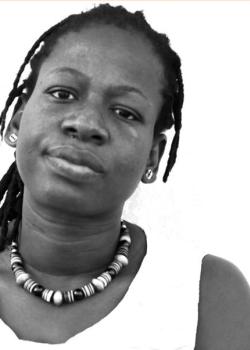
Nyeleni: Six Women’s Photographic Perspectives is a collective, travelling art project that brings together the personal visual stories of six female photographers from Mali: Fatoumata Diabate, Oumou Diarra, Dickonet, Mariam Niare, Kani Sissoko and Oumou Traore.
The project emerged from a two-week workshop held in Bamako in late 2021, followed by a year of research, development, mentoring and online sessions. In March 2023, the outcome of this creative process was presented in a multimedia exhibition at Galería Medina in Bamako.
Casa África is now hosting the second phase of this project, which centres on the perspectives and experiences of six Malian female artists belonging to a generation of women who have forged a path in a professional field that, until relatively recently, was almost exclusively reserved for men. Through photography, video and installation, their works address, from intimate perspectives, issues such as grief, fear, anger, violence, memory and gender roles, but also resilience, healing, independence and recognition.
The title of the exhibition refers to Nyeleni, a figure associated in Bamana culture with different conceptions of femininity. It is a proper name that literally means ‘little Nyele’ and also ‘the soul of Nyele’, as well as being used to refer to small wooden figures traditionally employed in certain ritual contexts.
According to oral tradition, Nyeleni is also a legendary female figure from Sirakoro, near Segu. As an only child, she wanted to prove that she could be just as valuable as many sons, and learnt skills traditionally reserved for men, such as farming, eventually surpassing her male competitors. In Bamanankan, the name is also used figuratively to refer to bold women, capable of making a difference, making their voices heard and forging their own path.
This spirit runs through the six works that make up the exhibition:
- In *La habitación de chicas* (The Girls’ Room), Oumou Diarra explores the private spaces of young Malian women;
- In *Tiesiralan* (*Fasten Your Belt*), Fatoumata Diabate examines the cultural, familial and gender-related meanings associated with the broom;
- In *Mouna* (*Why*), Mariam Niare takes as her starting point the practice of divination using cowrie shells;
- Kani Sissoko transforms the bùlon, a traditional space for male socialising, into a place where women’s presence and voices are heard.
- In *Traces de ma mère* (*Traces of My Mother*), Oumou Traore creates an intimate tribute to her mother and, through her, to Malian women;
- Dickonet, in the audiovisual installation *Trait d’Union* (*Dash*), brings together testimonies relating to sexual violence and the processes of resistance, healing and breaking the silence.
The exhibition also features *N’yelen mussow* (*Women of Light*), by Fatoumata Tioye Kandioura Coulibaly, a short documentary film arising from the project itself, in which various women from Bamako’s art scene share their life stories and reflect on the role of creativity as a tool for expression and emancipation.
This project is curated by Franziska Jenni and Joyce Pennekamp, and its presentation at Casa África aims to create a space for dialogue with the Canarian public around women’s perspectives and issues that are often silenced in public discourse.
The programme is organised in collaboration with the Casa de Colón, which will host a creative workshop and a pop-up exhibition as part of the event’s public programme.
The exhibition forms part of the HER project (3/MAC/4/7.2/0297), within the activity ‘Social Inclusion Programme: Building positive role models and raising awareness for social cohesion’. The project documentation explicitly links Nyeleni with the visibility, empowerment and participation of African women and with the creation of networks between West Africa and the Canary Islands.
Comisarias: Franziska Jenni y Joyce Pennekamp.
Artistas: Fatoumata Diabate, Oumou Diarra, Dickonet, Mariam Niare, Kani Sissoko y Oumou Traore.
Exposición: del 5 de noviembre de 2026 al 12 de marzo de 2027.
Lugar: Casa África, Las Palmas de Gran Canaria.
Entrada libre y gratuita.
Event information
28.112716408484, -15.42238185
Array