Our mission is to bring Africa and Spain closer
Through outreach, educational, economic, and cultural activities, we foster mutual understanding and strengthen Hispanic African relations.
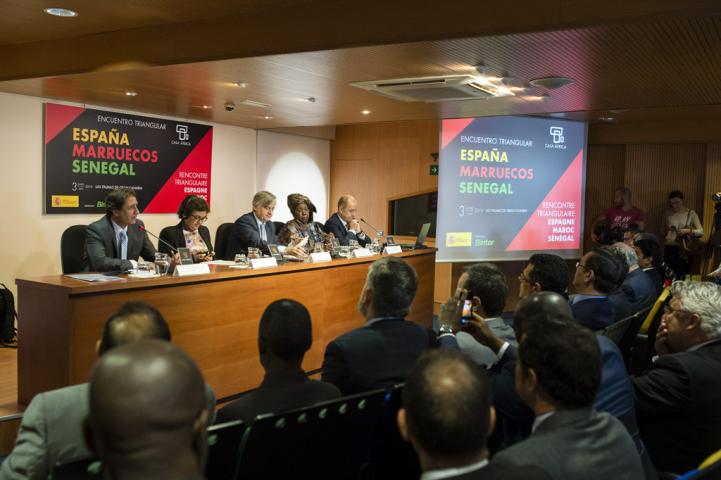
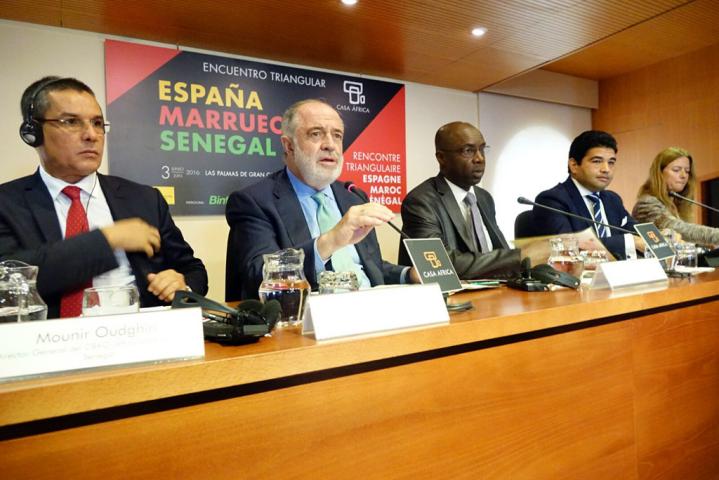
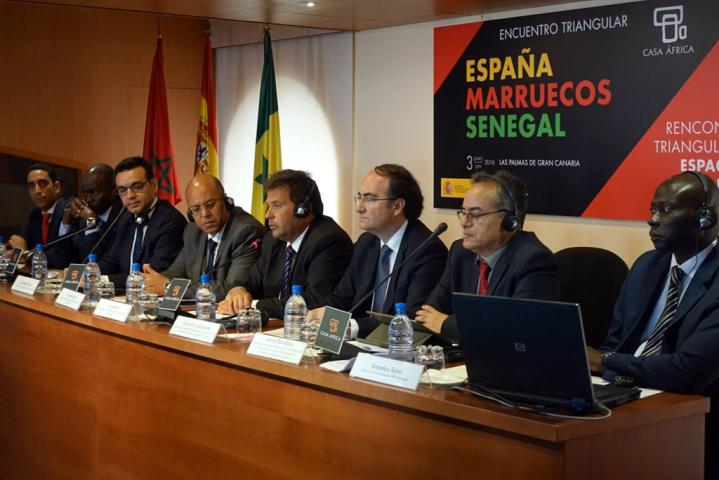
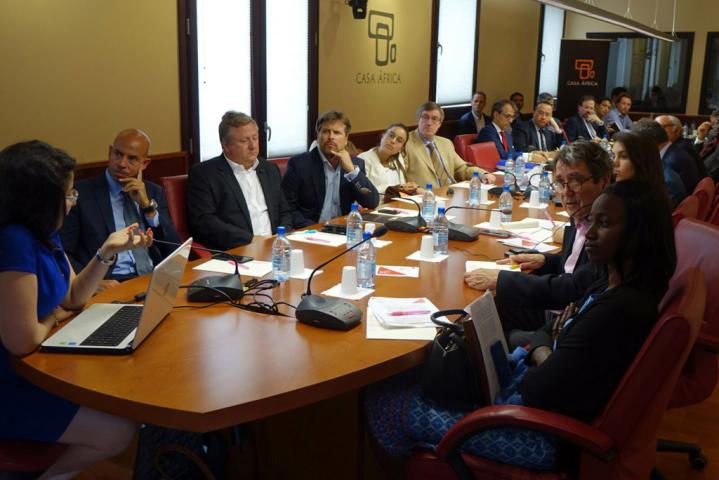
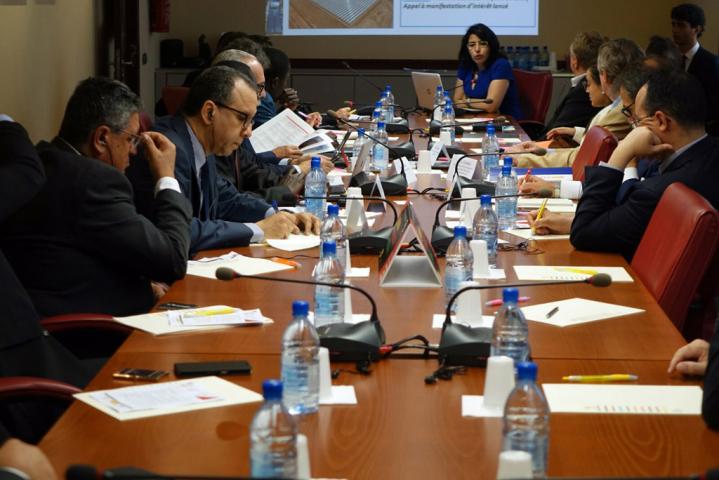
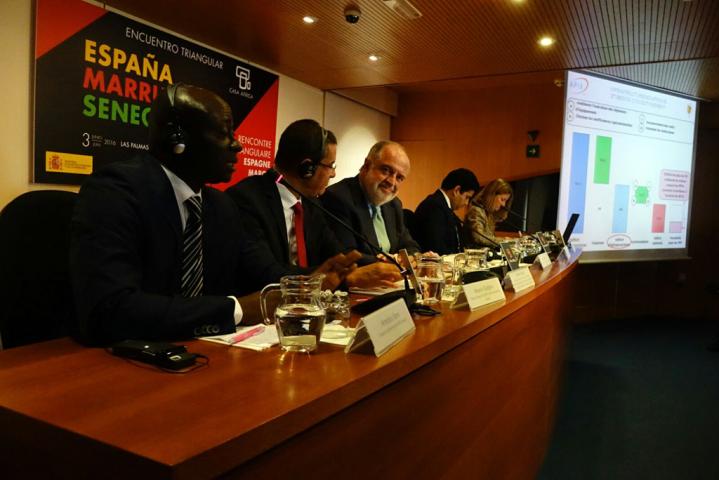
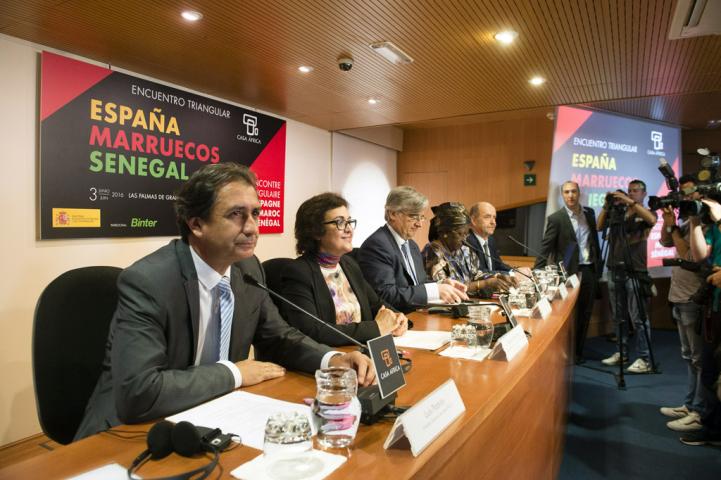
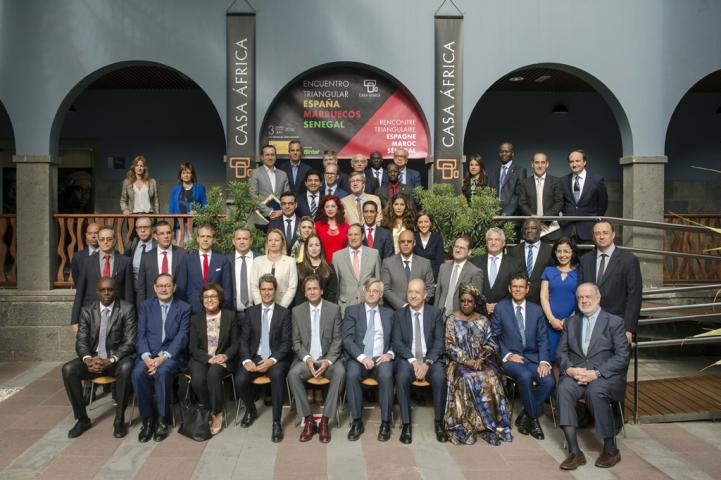
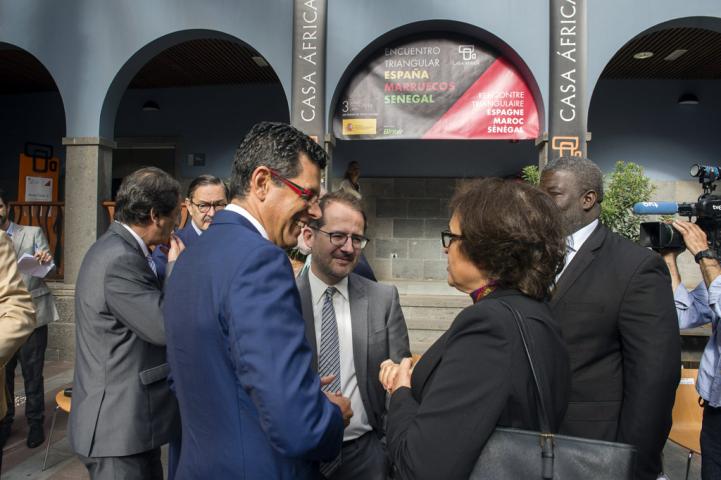
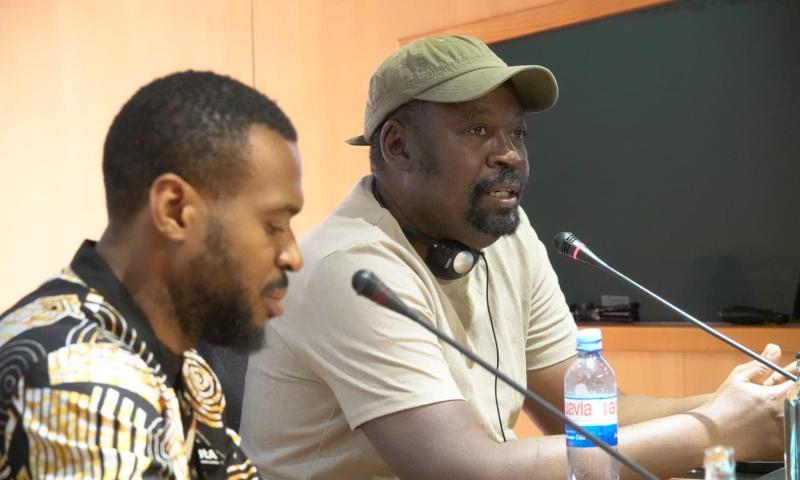
Today, Casa África hosted the Spain-Morocco-Senegal Trilateral Meeting, a new initiative organized by the public diplomacy organisation together with the Spanish embassies in Senegal and Morocco. Projects in different sectors, their chances of receiving funding and the direction set by the Emergent Senegal Plan (the Government of Senegal’s strategic plan to create 600,000 jobs over the next 10 years) became the initiative’s focus of work. It was sponsored by the airline Binter and organised around a plenary session and three roundtables focused on three priority areas for the three countries: energy, logistics and industrial zones, and the food and drink industry. This economic diplomacy activity brought together over 120 people from the three countries, including representatives of institutions and companies.
In addition to strengthening Spanish-Moroccan relations, the meeting aimed to facilitate synergies between Moroccan and Spanish companies so that they can work together effectively in order to address investment opportunities in Senegal.
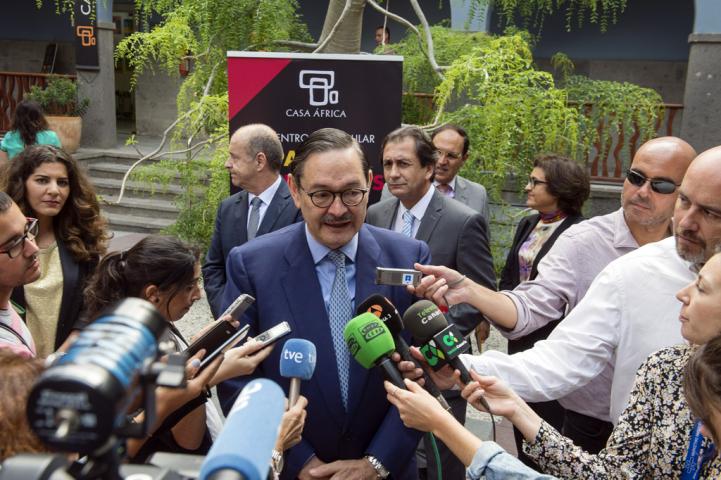
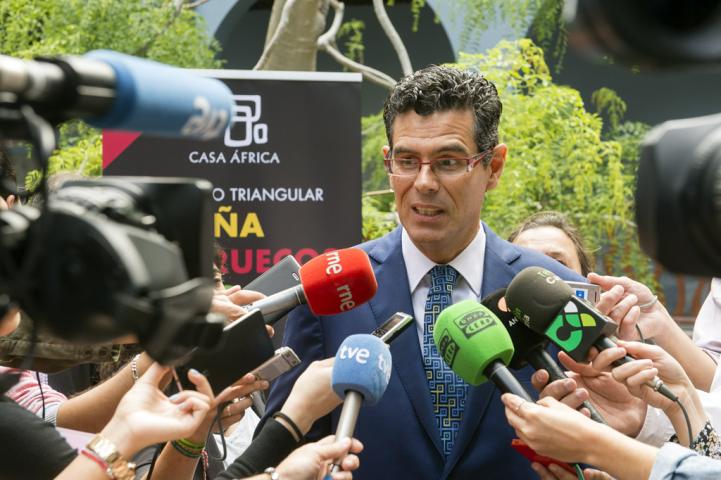
Senior officials from the three governments participated in the meeting, including the Senegalese minister; Fatema Marouane, Moroccan Minister of Crafts, Social Economy and Solidarity; and Spain’s Ignacio Ybáñez, Secretary of State for Foreign Affairs. Together with these three senior officials, the opening session was led by the Director General of Casa África, Luis Padrón and the Minister of Economy, Industry, Trade and Knowledge, Pedro Ortega, who participated for the Government of the Canary Islands. The meeting was also attended by the Spanish Ambassadors to Morocco and Senegal, Ricardo Díez-Hochtleiner and Alberto Virella respectively, and the Government Delegate in the Canary Islands, Enrique Hernández Bento.
Sector tables saw the involvement of investment agencies such as APIX (Senegal); investment support institutions, such as COFIDES; public bodies such as ICEX Spain Export and Investment; credit institutions, banking and employers’ organisations, including the General Confederation of Moroccan Businesses, the Spanish Confederation of Business Organisations and the Spanish Chamber of Commerce.
On the table were issues such as Senegal gradually overcoming its lack of infrastructure and energy, its embryonic industrial development, the shortage of banks and their lack of immediate resources. All these sectors present opportunities for both Morocco and Spain that are being explored through banking and credit organisations as well as joint agreements and projects, especially in logistics. Senegal also wanted to present its new work in financing public works with public-private partnerships and its willingness to collaborate with Spanish and Moroccan counterparts through simple financing mechanisms and abundant reforms that facilitate business and promote legal certainty backed by a solid rule of law. Spain, meanwhile, is clear that the internationalization of its businesses and its commitment to foreign markets must go through Africa. Agencies such as COFIDES expressed their willingness to meet the needs of business people and shared their experience in internationalizing companies and financing development projects.